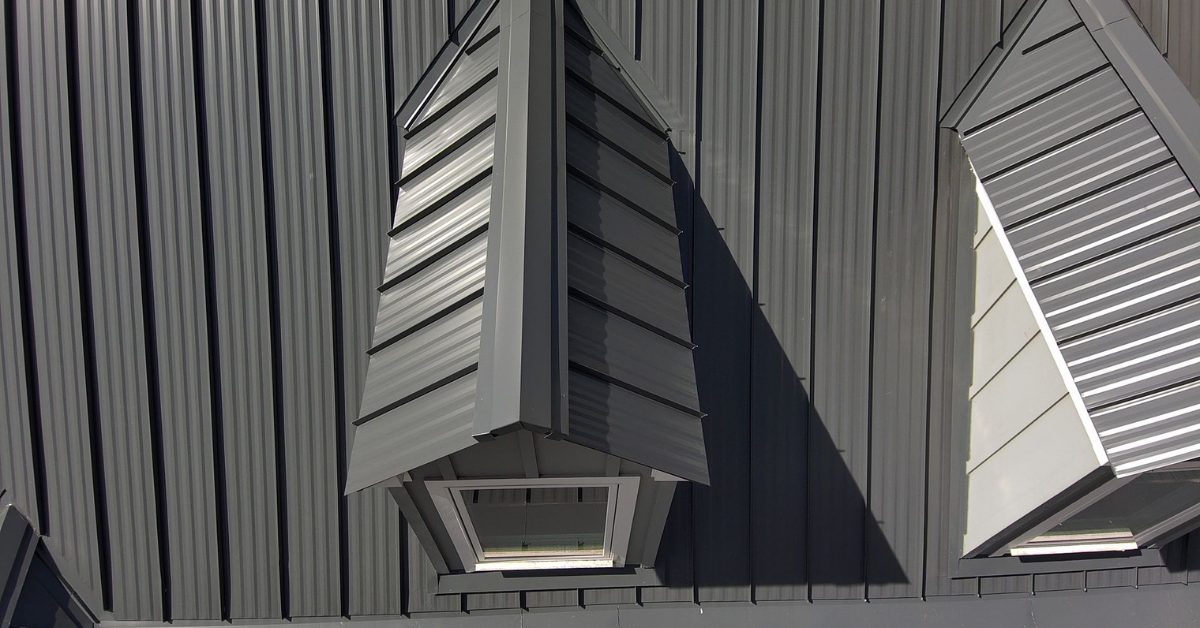
The Seams and Fasteners
The seams and fasteners are key parts a metal roof inspection examines, and a Spencer homeowner benefits from understanding this. Here is what is checked.
The Seams
The inspection checks the seams that join the panels, looking for any loosening, gaps, or issues, since the seams are key to the roof's water-tightness. The seams are examined. Their condition is checked. Issues are noted. They matter for water-tightness. They are a key check.
The Fasteners
On exposed-fastener roofs, the inspection checks the fasteners, looking for loose, raised, or backed-out screws and worn washers, since these affect the seal. The fasteners are checked. Loosening is noted. Worn washers are flagged. They affect the seal. They warrant attention.
Why These Matter
The seams and fasteners matter because they are sealing points, so any issues there can affect water-tightness, which is why they get careful attention. They are sealing points. Issues affect water-tightness. They get careful checking. They are important. They warrant attention.
Catching Issues Early
Checking the seams and fasteners catches any issues early, before they let water in, so they can be addressed. It catches issues early. It precedes leaks. It allows action. It protects the roof. It is valuable.
Suited to the Roof Type
The inspection checks the seams and fasteners as appropriate for the roof type, standing seam or exposed-fastener, since the systems differ. It suits the roof type. It checks appropriately. Systems differ. It is tailored. It is thorough.
Seams and Fasteners, in Short
A metal roof inspection checks the seams that join the panels for any loosening, gaps, or issues, and on exposed-fastener roofs checks the fasteners for loose, raised, or backed-out screws and worn washers, since these are sealing points whose issues can affect water-tightness.
It also helps Spencer homeowners to understand what they actually receive from a metal roof inspection, because the value of all the checking lies in the findings that the inspection delivers and in the homeowner being able to act on them. The most fundamental thing an inspection provides is a clear picture of the roof's condition, a summary of how the roof is holding up based on all the individual checks of the panels, seams, fasteners, flashing, penetrations, edges, and gutters, so that the homeowner understands the state of their roof rather than guessing. Building on that, the findings identify any issues that were found, such as damage, wear, loosening, corrosion, or signs of leaks, so the homeowner knows about anything that warrants attention. Importantly, a good inspection also includes recommendations, practical guidance on any repairs, maintenance, or attention the roof needs, so the homeowner is not just told about problems but is given a clear sense of what to do about them. Taken together, this gives the homeowner genuinely useful information to act on, whether the roof turns out to be sound and in good shape or whether it needs some attention. And that is really the ultimate value of an inspection, it provides either peace of mind, in the case of a roof that is holding up well, or a clear plan, in the case of a roof that needs some work, and in both cases the homeowner comes away knowing where they stand with one of the most important components of their home, which supports good, well-informed decisions about its care.
One point worth making clear for Spencer homeowners is what a thorough metal roof inspection actually involves, because knowing what gets checked helps a homeowner understand the value an inspection provides and what kind of picture of their roof they can expect to receive. A good inspection is comprehensive, examining each of the components that matter to the roof's performance and looking for any signs of issues across them. It starts with the panels themselves, where the inspector checks the condition of the panels for any damage, dents, or issues, looks at the finish and notes any wear, which reflects the roof's age, care, and the protection it provides, and checks for any signs of corrosion, all of which together gauge the overall health of the panels, a major part of the roof's condition. It examines the seams that join the panels, looking for any loosening, gaps, or issues, because the seams are key to the roof's water-tightness. On exposed-fastener roofs, it checks the fasteners, looking for loose, raised, or backed-out screws and worn washers, since these are sealing points and wear points that affect the seal. It checks the flashing at edges, valleys, and transitions, and the penetrations where pipes, vents, or other features pass through the roof, examining the seals around them, because flashing and penetrations are among the most common leak points on any roof. And it covers the edges and trim like drip edge, the gutters and drainage, and any signs of leaks or water such as staining, before arriving at an assessment of the roof's overall condition based on all these checks.
It also helps Spencer homeowners to understand what they actually receive from a metal roof inspection, because the value of all the checking lies in the findings that the inspection delivers and in the homeowner being able to act on them. The most fundamental thing an inspection provides is a clear picture of the roof's condition, a summary of how the roof is holding up based on all the individual checks of the panels, seams, fasteners, flashing, penetrations, edges, and gutters, so that the homeowner understands the state of their roof rather than guessing. Building on that, the findings identify any issues that were found, such as damage, wear, loosening, corrosion, or signs of leaks, so the homeowner knows about anything that warrants attention. Importantly, a good inspection also includes recommendations, practical guidance on any repairs, maintenance, or attention the roof needs, so the homeowner is not just told about problems but is given a clear sense of what to do about them. Taken together, this gives the homeowner genuinely useful information to act on, whether the roof turns out to be sound and in good shape or whether it needs some attention. And that is really the ultimate value of an inspection, it provides either peace of mind, in the case of a roof that is holding up well, or a clear plan, in the case of a roof that needs some work, and in both cases the homeowner comes away knowing where they stand with one of the most important components of their home, which supports good, well-informed decisions about its care.
One point worth making clear for Spencer homeowners is what a thorough metal roof inspection actually involves, because knowing what gets checked helps a homeowner understand the value an inspection provides and what kind of picture of their roof they can expect to receive. A good inspection is comprehensive, examining each of the components that matter to the roof's performance and looking for any signs of issues across them. It starts with the panels themselves, where the inspector checks the condition of the panels for any damage, dents, or issues, looks at the finish and notes any wear, which reflects the roof's age, care, and the protection it provides, and checks for any signs of corrosion, all of which together gauge the overall health of the panels, a major part of the roof's condition. It examines the seams that join the panels, looking for any loosening, gaps, or issues, because the seams are key to the roof's water-tightness. On exposed-fastener roofs, it checks the fasteners, looking for loose, raised, or backed-out screws and worn washers, since these are sealing points and wear points that affect the seal. It checks the flashing at edges, valleys, and transitions, and the penetrations where pipes, vents, or other features pass through the roof, examining the seals around them, because flashing and penetrations are among the most common leak points on any roof. And it covers the edges and trim like drip edge, the gutters and drainage, and any signs of leaks or water such as staining, before arriving at an assessment of the roof's overall condition based on all these checks.
Get Your Seams and Fasteners Checked
Spencer Metal Roofing inspects metal roof seams and fasteners across Spencer and Owen County. Call (765) 676-3491 for a free inspection that checks these key sealing points on your roof.